Context
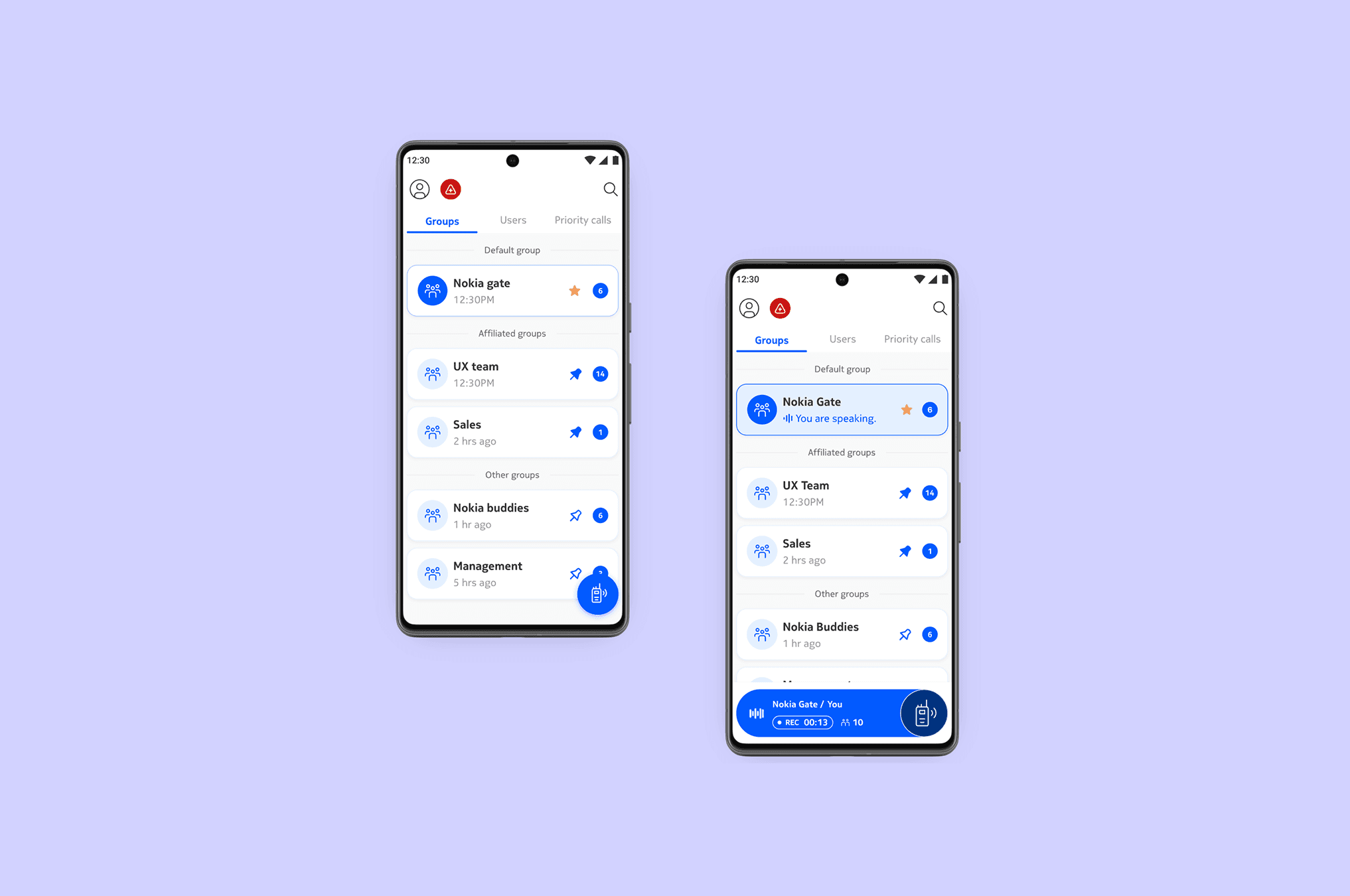
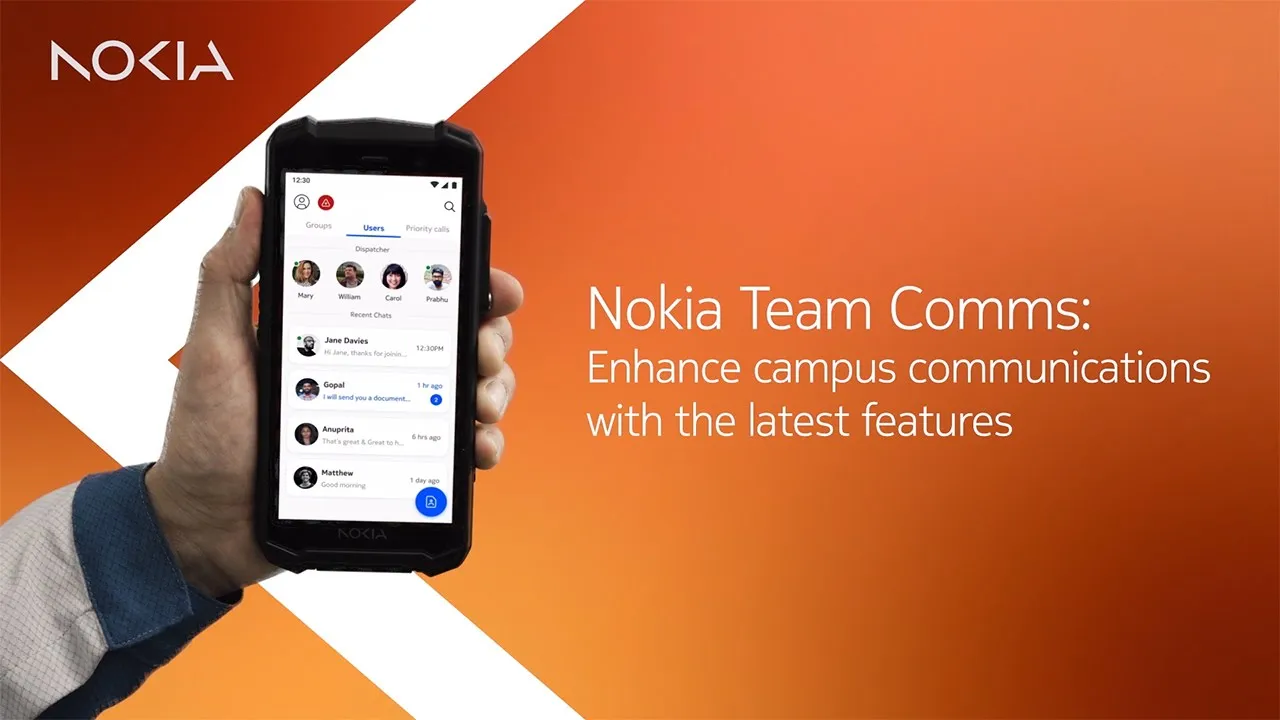
Nokia Teams Comms is a mission-critical communication platform used across industrial campuses (ports, mines, and factories) operating on private wireless networks. The existing product struggled with usability gaps and limited functionality, affecting operational speed and reliability.
Problem statement
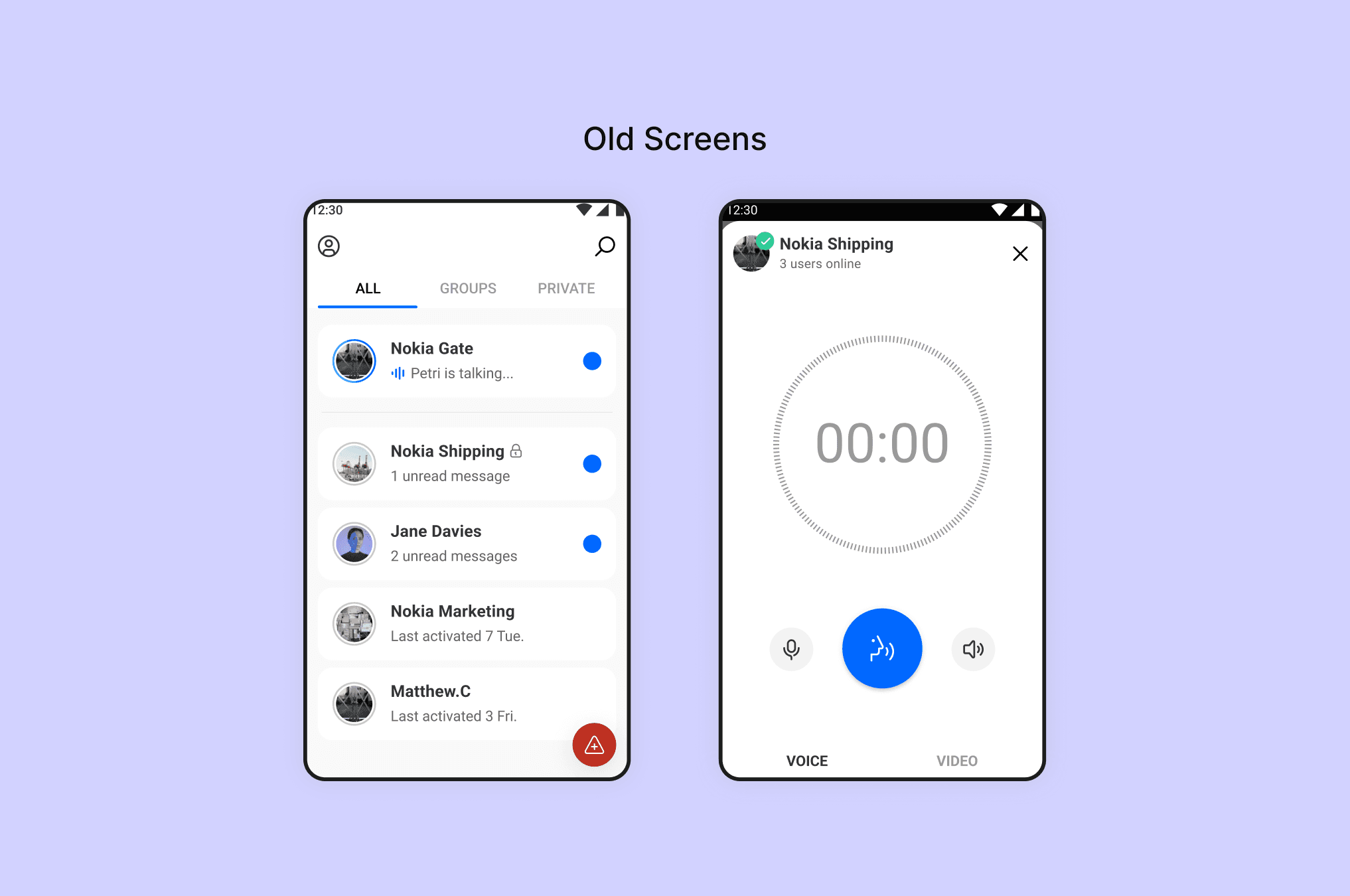
Nokia Teams Comms operate in high-noise, high-pressure environments where communication must be instant, reliable, and context-rich. However, the existing system was limited to half-duplex (radio-style) communication, lacked support for file sharing and temporary group collaboration, and did not provide logs for priority interactions.
Design Solution
Designed a low cognitive load interface with clear visual states and glove-friendly interactions tailored for high-risk industrial environments.
Introduced a soft call button alongside the physical trigger to improve accessibility and ease of use.
Enhanced communication with full-duplex calling, rich multimedia attachments for real-time visual assessment, and temporary groups for incident-based coordination.
Incorporated digital tactility through haptics and audio feedback to replicate the reliability of push-to-talk interactions.
My Role as a product designer
UX Workshop
Concept design
User flows
Prototyping
Interaction design
Handoff
Led end-to-end product design, facilitating discovery workshops to align stakeholders and define problem space.
Synthesized insights through affinity mapping to prioritize features, designed scalable user flows, and built interactive prototypes for validation.
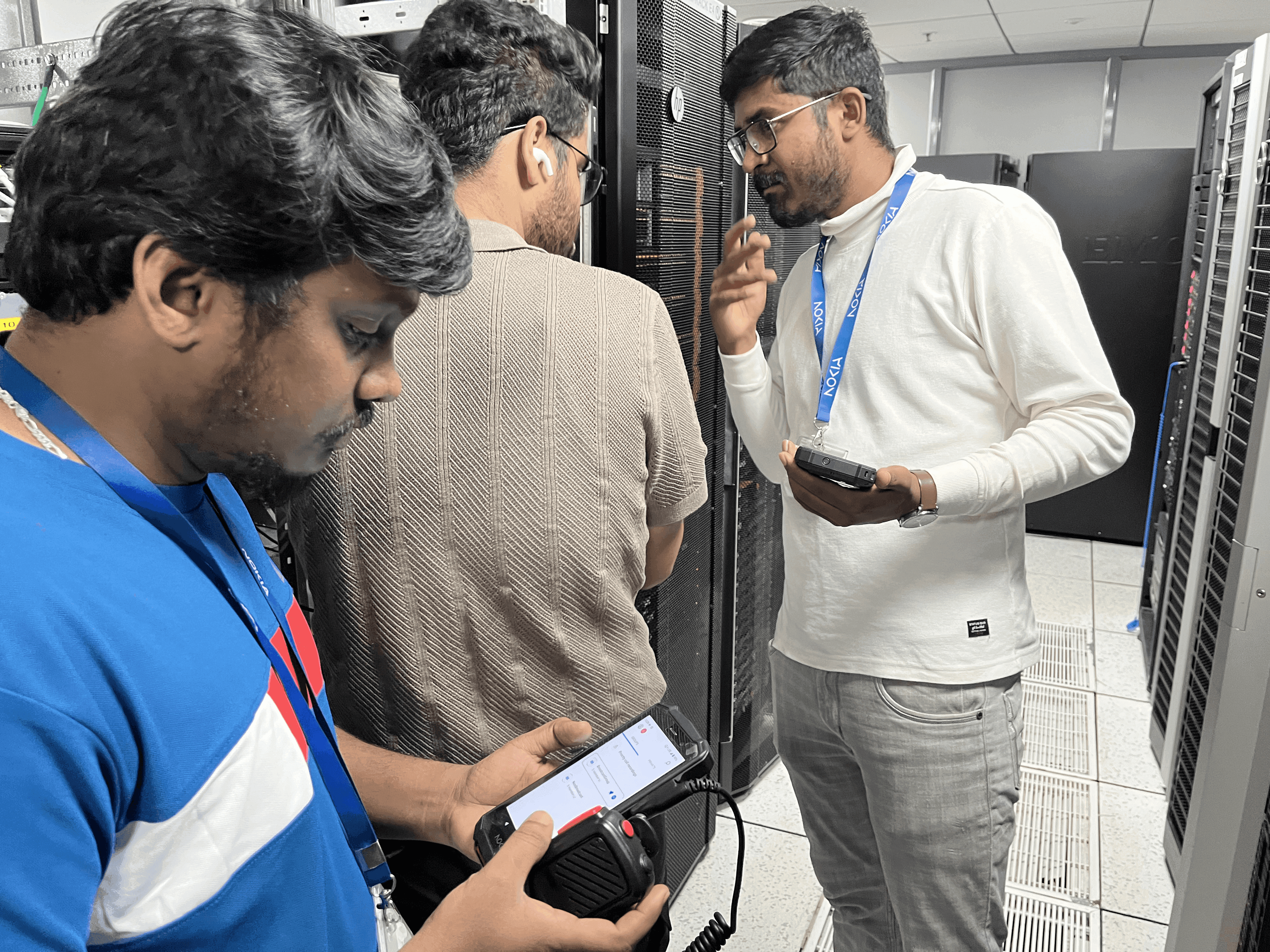
Collaborated closely with engineering to ensure feasibility and supported real-world testing in live industrial environments to refine solutions.


Discovery
Define
Concept design
Prototype
Unit testing
Discovery
Stakeholder Workshop: Conducted workshops with stakeholders and developers to collect requirements through interactive sessions.
Understood:
Why they wanted to redesign the product.
Existing product limitations.
New business requirements.
Future roadmap.
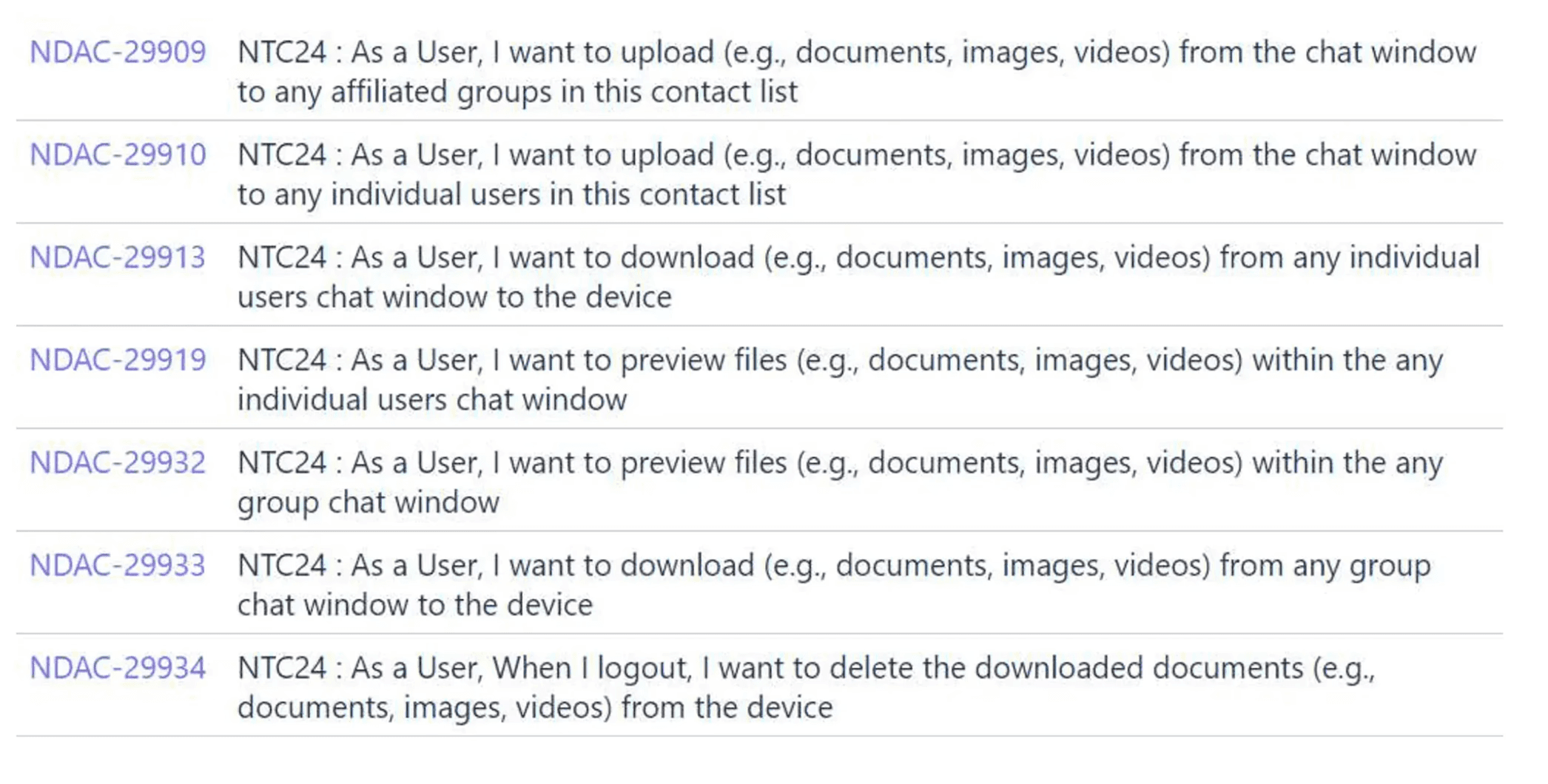
Usability feedback
Analyzed user feedback and usage challenges from the existing app.
Define
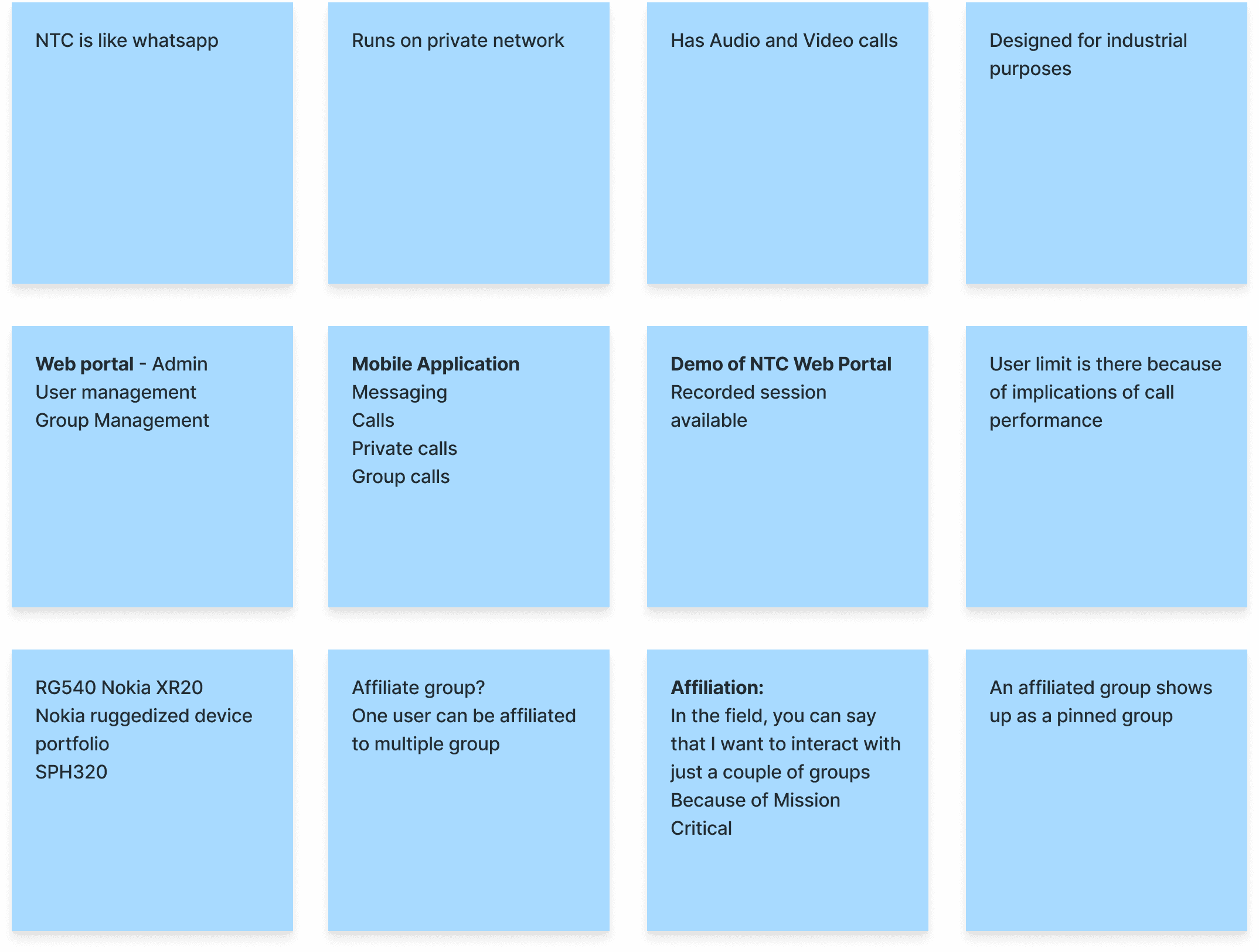
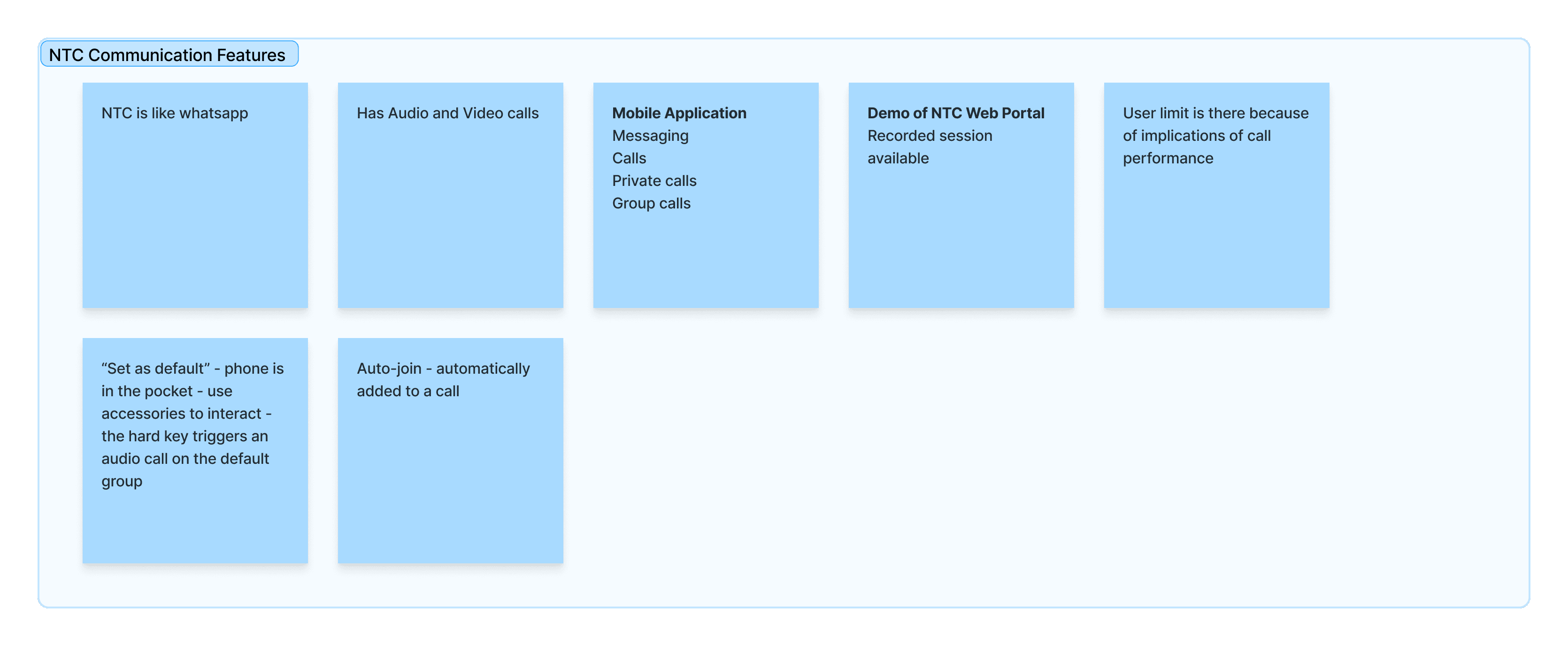
Clustering Insights: Used affinity mapping to organize requirements into clusters, revealing key themes and actionable insights for the redesign.
User persona
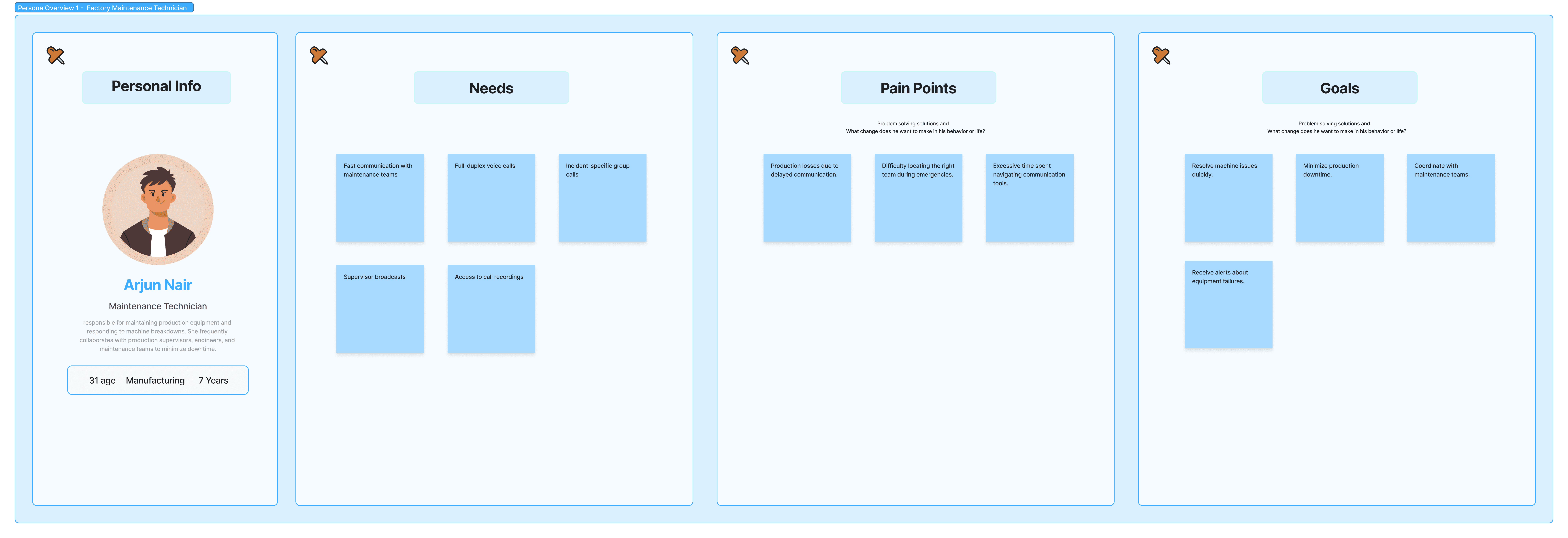
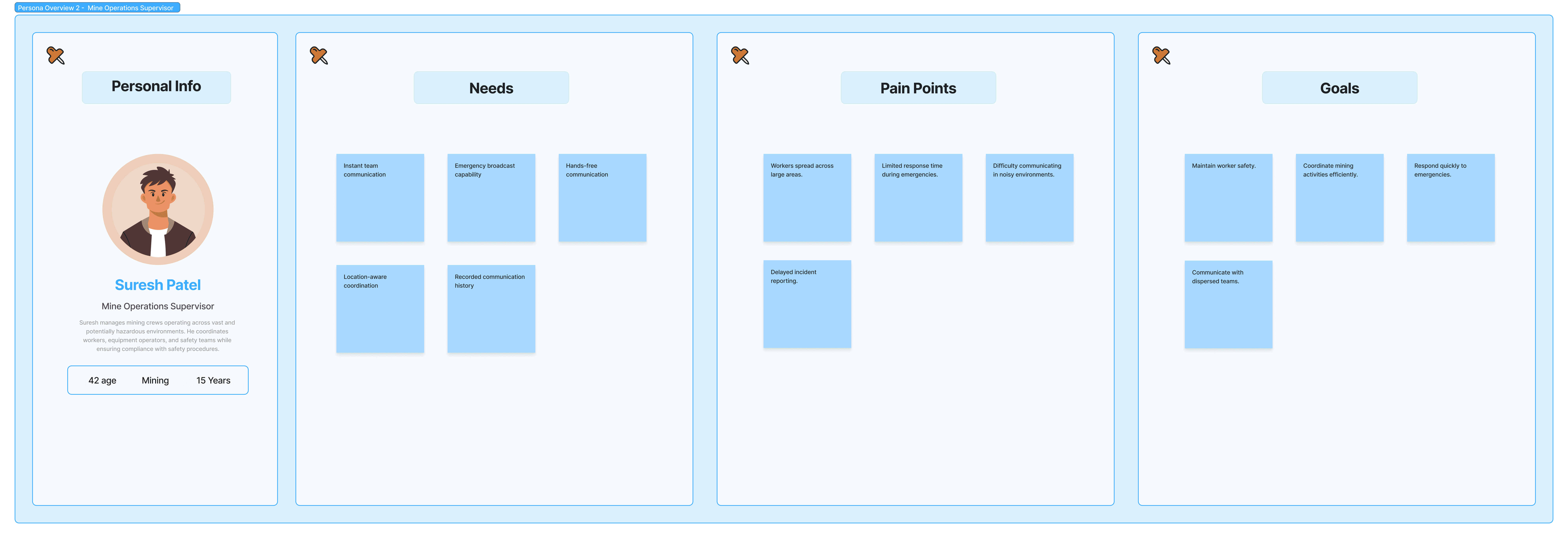
There are 3 personas for this product:
Field workers
Dispatchers (Managers)
Admins
Field worker persona:
User flows

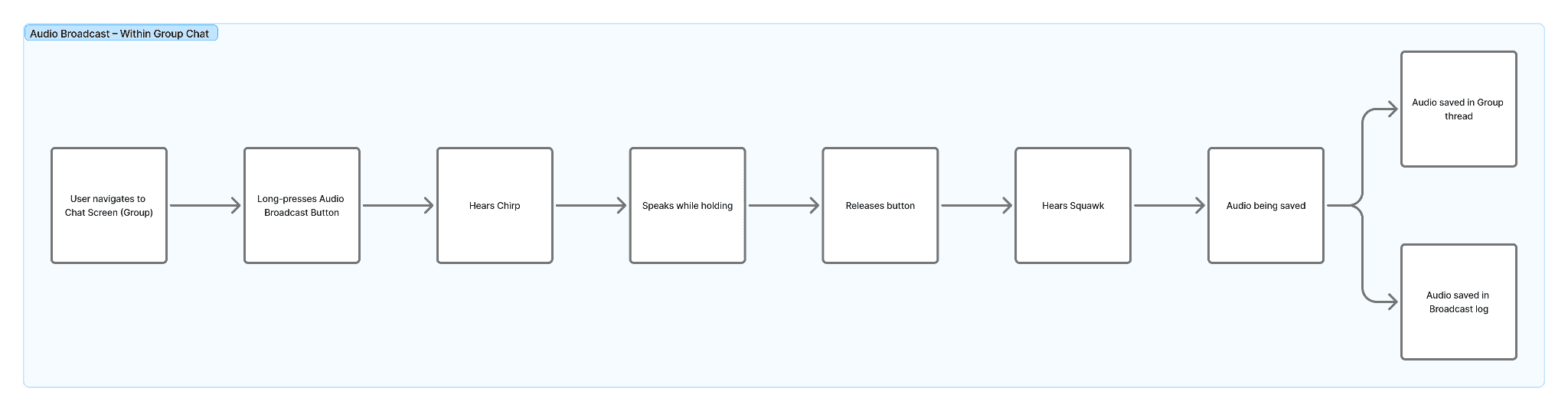
Existing Product Analysis
I reviewed the current application and identified UX issues such as the following:
Half-duplex communication causing delays.
Priority Call occupying the primary action despite low usage.
Bottom sheet interrupting users' workflows.
No temporary group collaboration.
No file-sharing capability.
Limited discoverability of communication features.
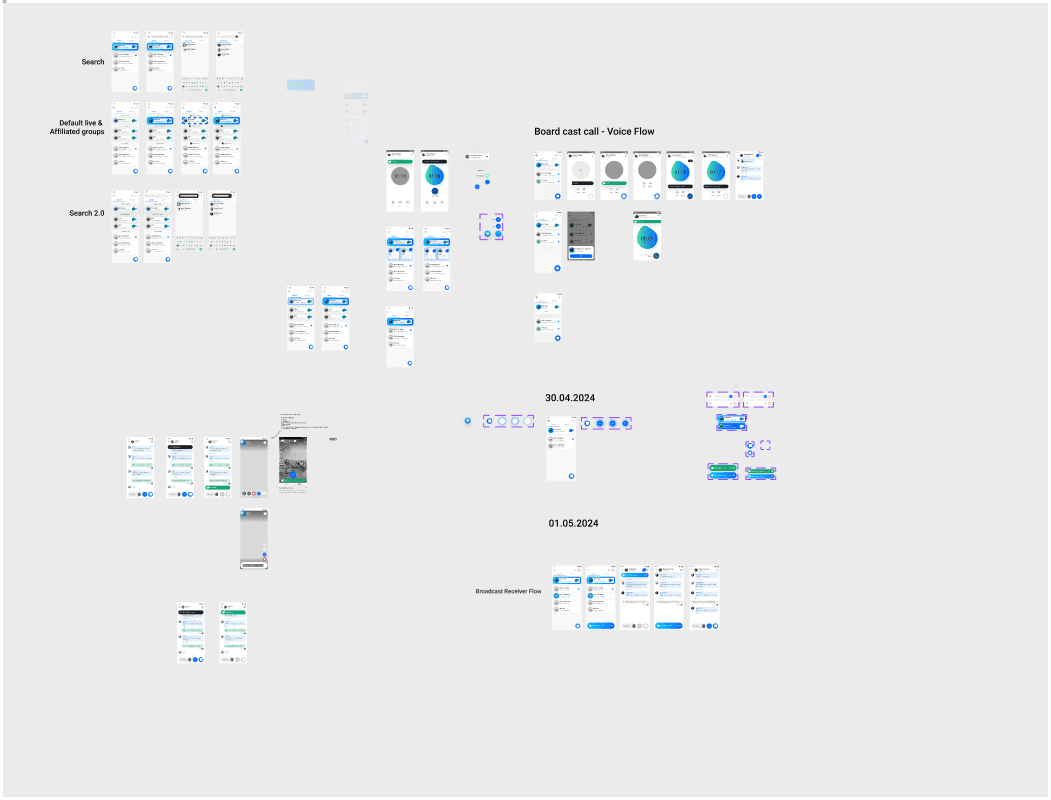
Concept design
Explored concept directions aligning user needs, business goals, and technical constraints.
Prototype
A modern, user-centered communication platform optimized for industrial environments.
Unit testing
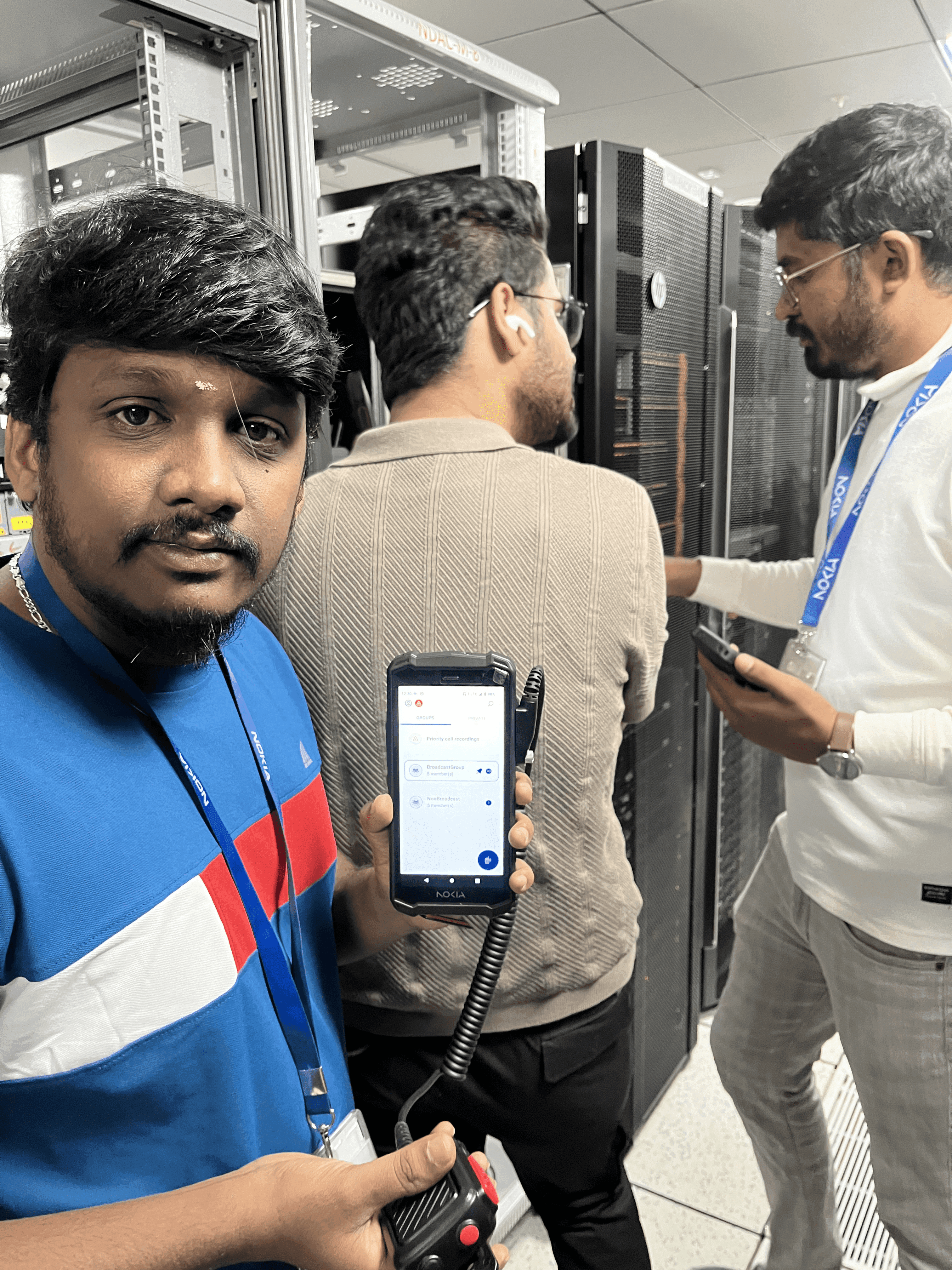
Final outcome
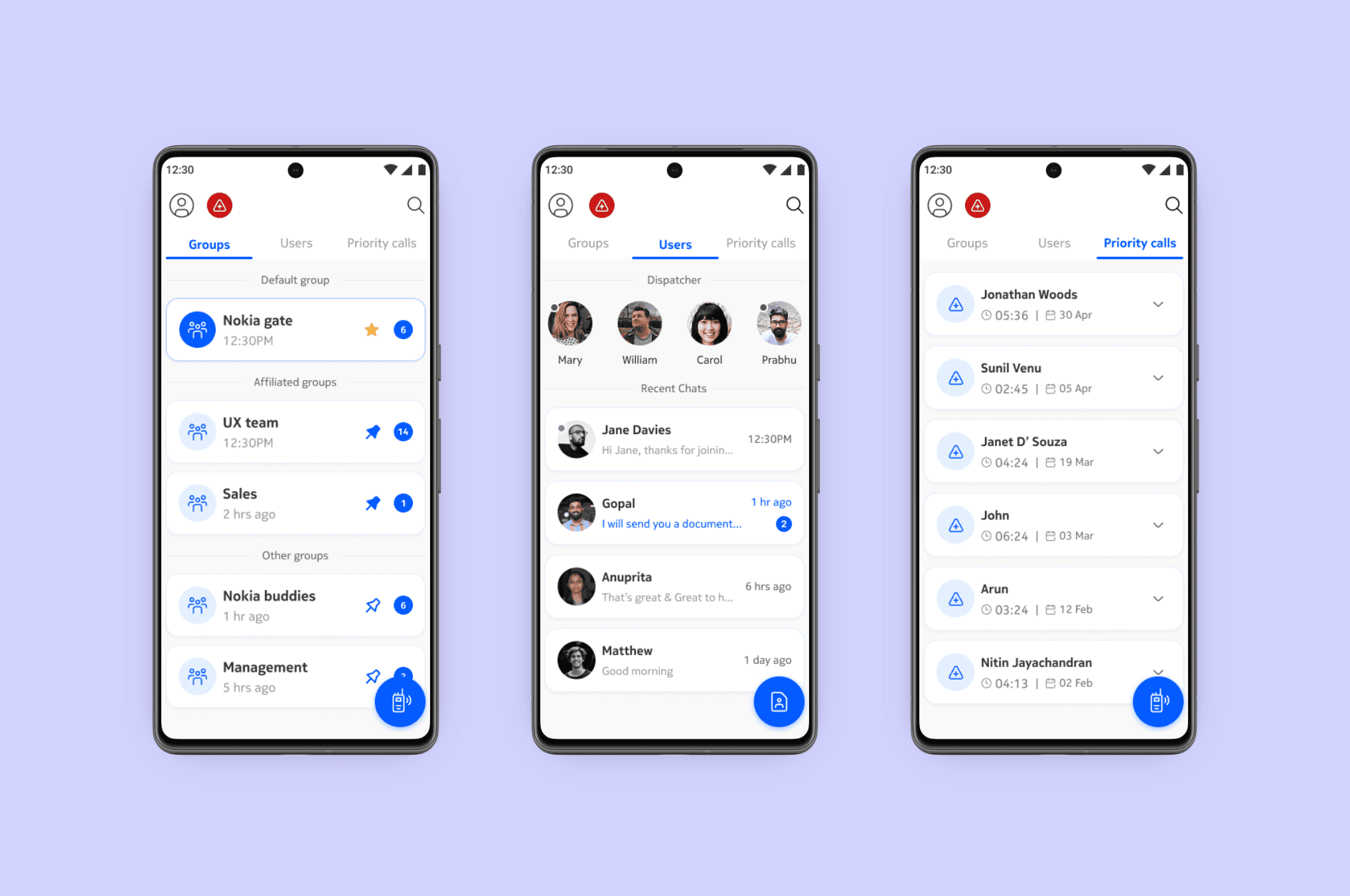
Our design approach prioritized speed and clarity, ensuring users can act with confidence during critical emergency situations.
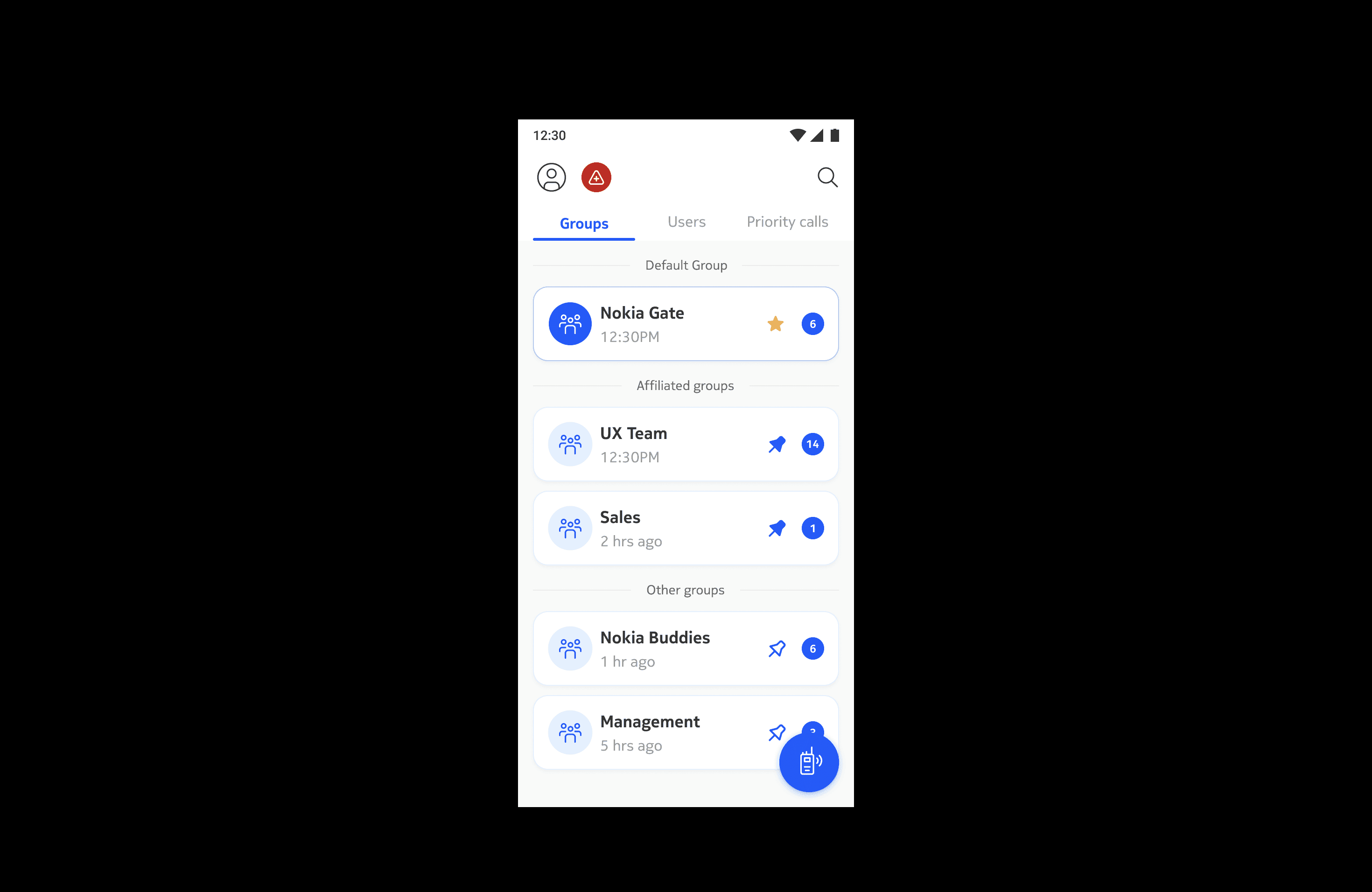
A modern, user-centered communication platform optimized for industrial environments.
A clear visual hierarchy supported by large, intentional touch targets for effortless and accurate interaction.
Multimedia messaging that enables users to seamlessly attach images, videos, audio, and documents within chat threads.

3. Pressing and holding the FAB or physical button immediately starts communication with the default group, and users need instant feedback about which group they’re broadcasting to.

What business problem is solved or improved?
Group communication
Push-to-talk (PTT)
Priority calls
Dispatcher-controlled communication
Call recording and playback
Full-duplex voice calls
Multimedia messaging
Communication without internet connectivity on private LTE/5G networks.
Impact
25%
Improved coordination efficiency by 25% with Full-Duplex communication.
0 Wait
Users no longer wait for floor control and can have natural conversations.
30%
Improved overall task completion and communication success rate by 30%.
